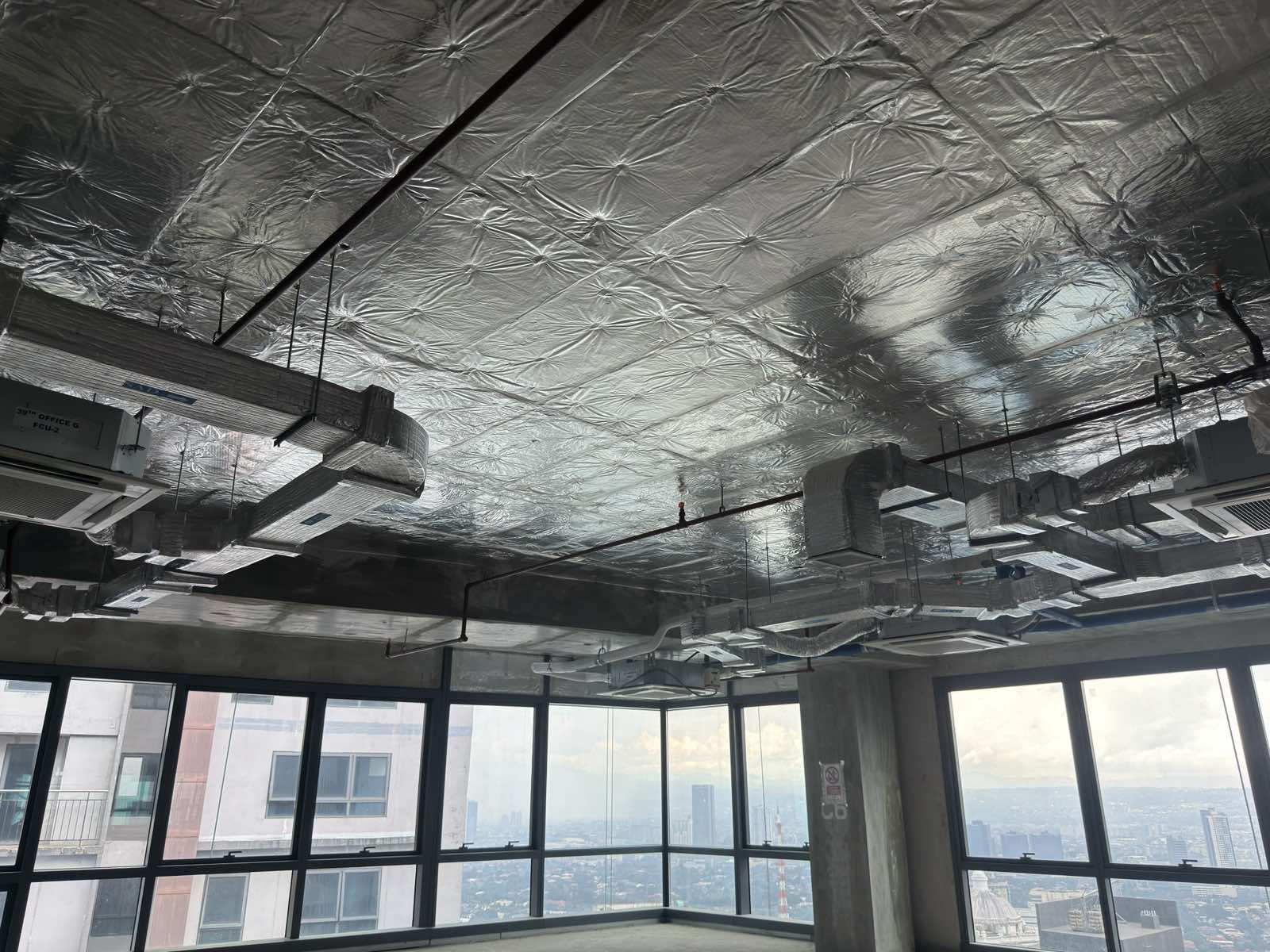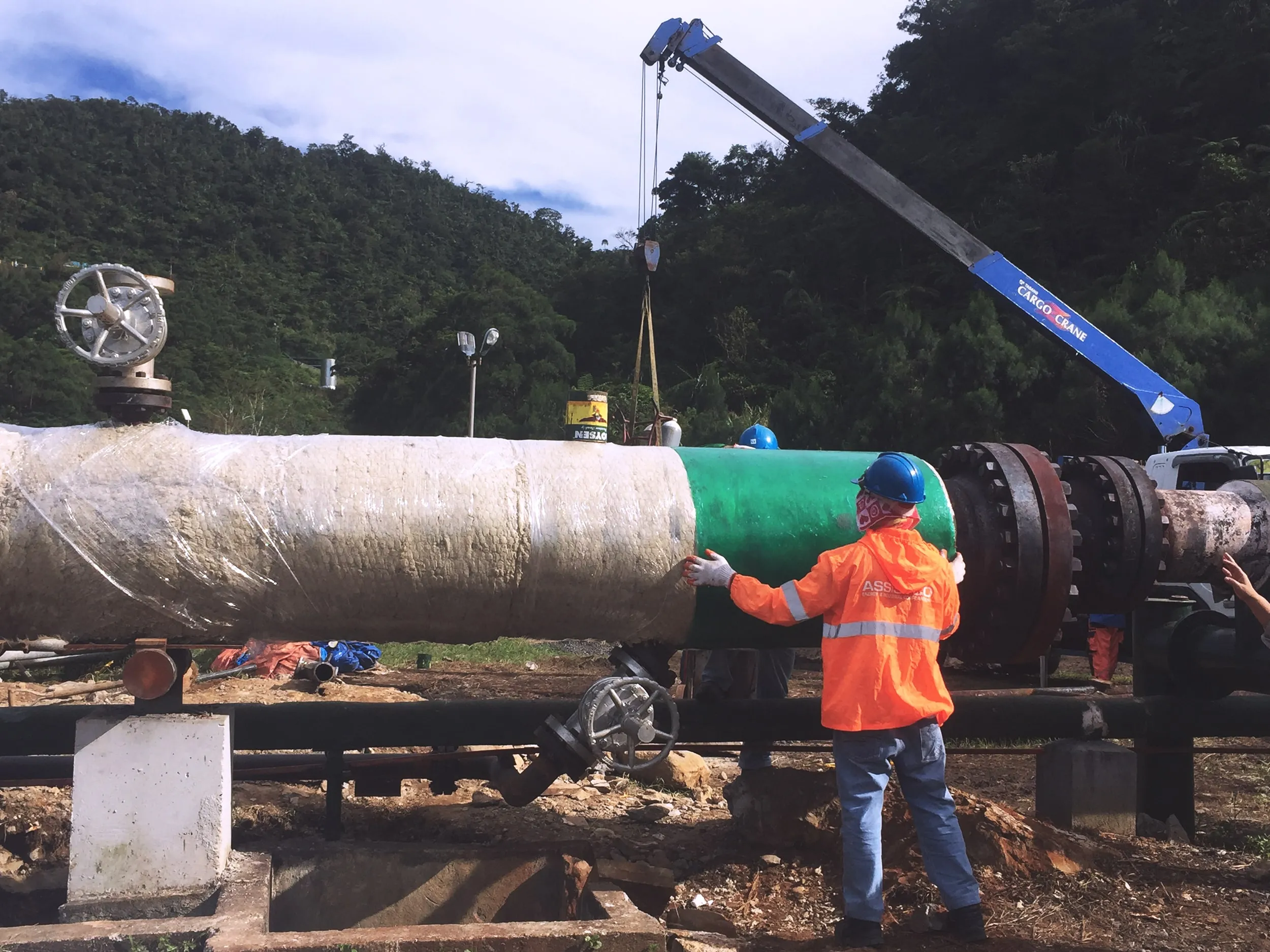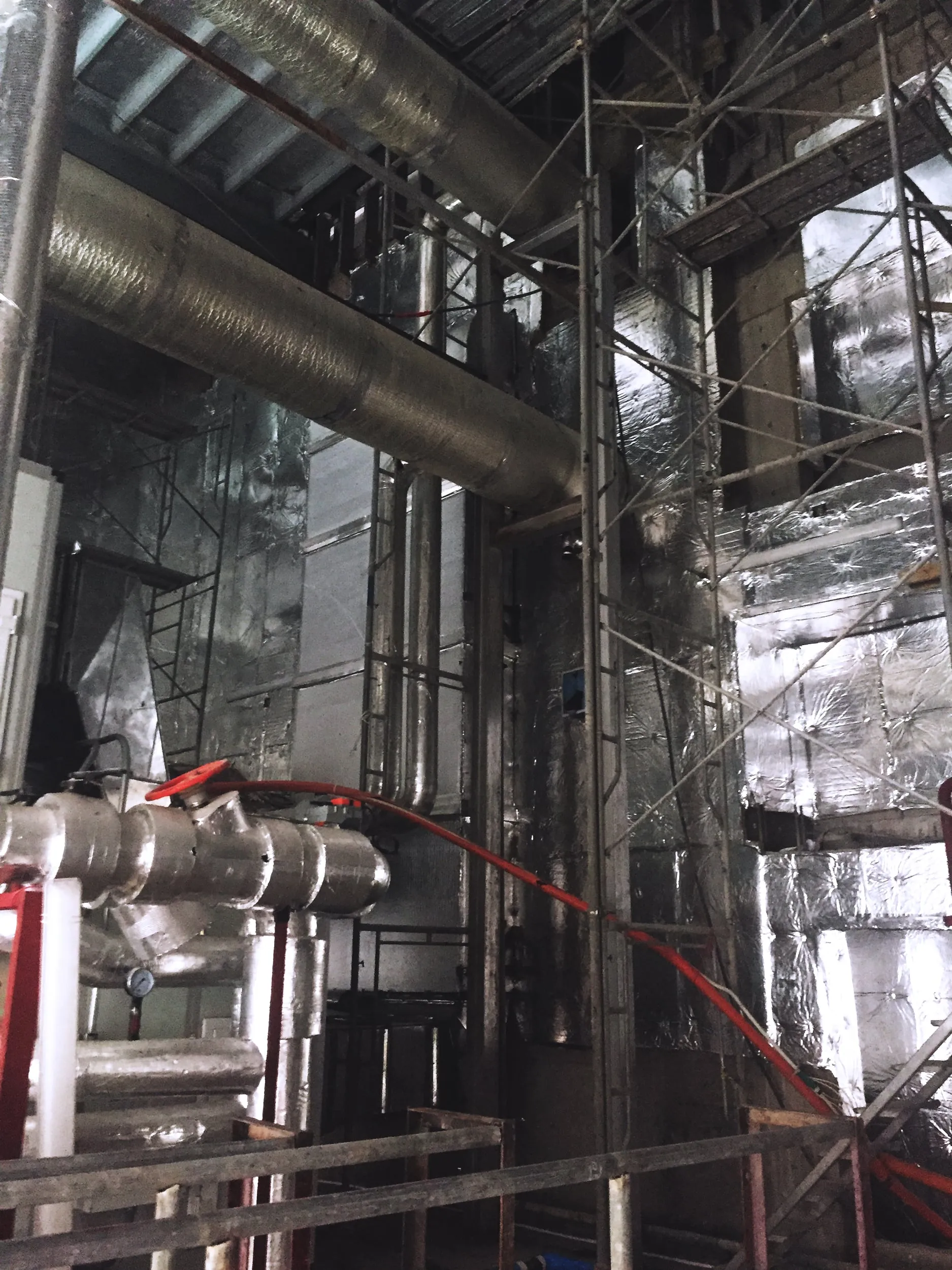
Recognizing Our General Manager's Contribution to Fire Safety Standards in the Country
Progress in passive fire protection often happens behind the scenes. This latest development for the Philippine construction industry is one such example, bringing decades of knowledge and practical experience closer to becoming national guidance. In the years ahead, it may also help establish a clearer framework for how passive fire protection is understood and applied across projects.
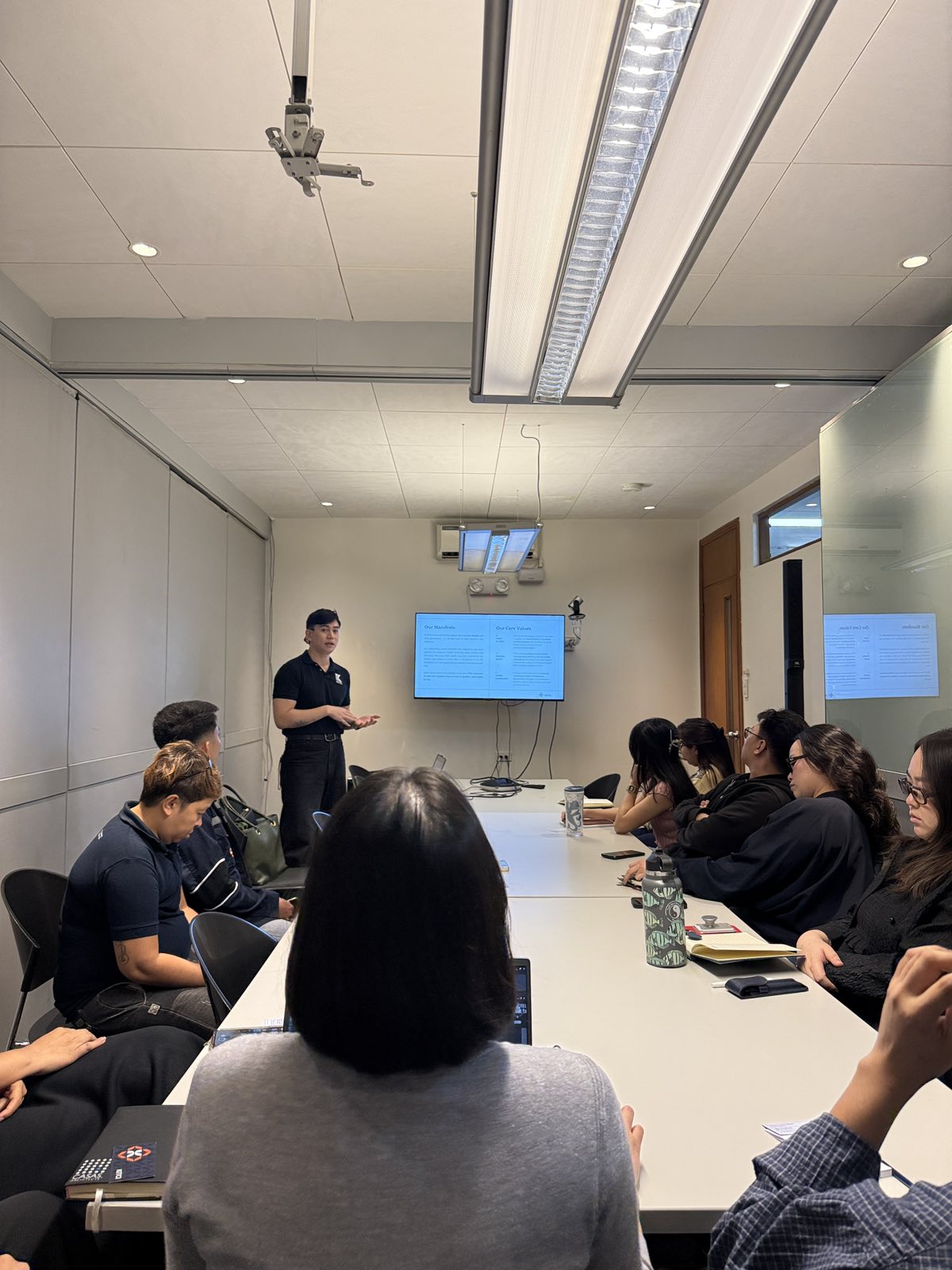
Earlier this year, KITCI General Manager Ar.Thomas Matthew Lim Kawpeng, Deputy Executive Director of Commission on Internal affairs and Chairperson on committee of membership Ar. Kathreen R. Odulio, and along with other representatives were invited to author Chapter 15 of the Architectural Code of the Philippines. Set for adoption in 2026, the chapter will establish the country's first codified national guidelines for passive fire protection.
.png)
A new chapter for passive fire protection
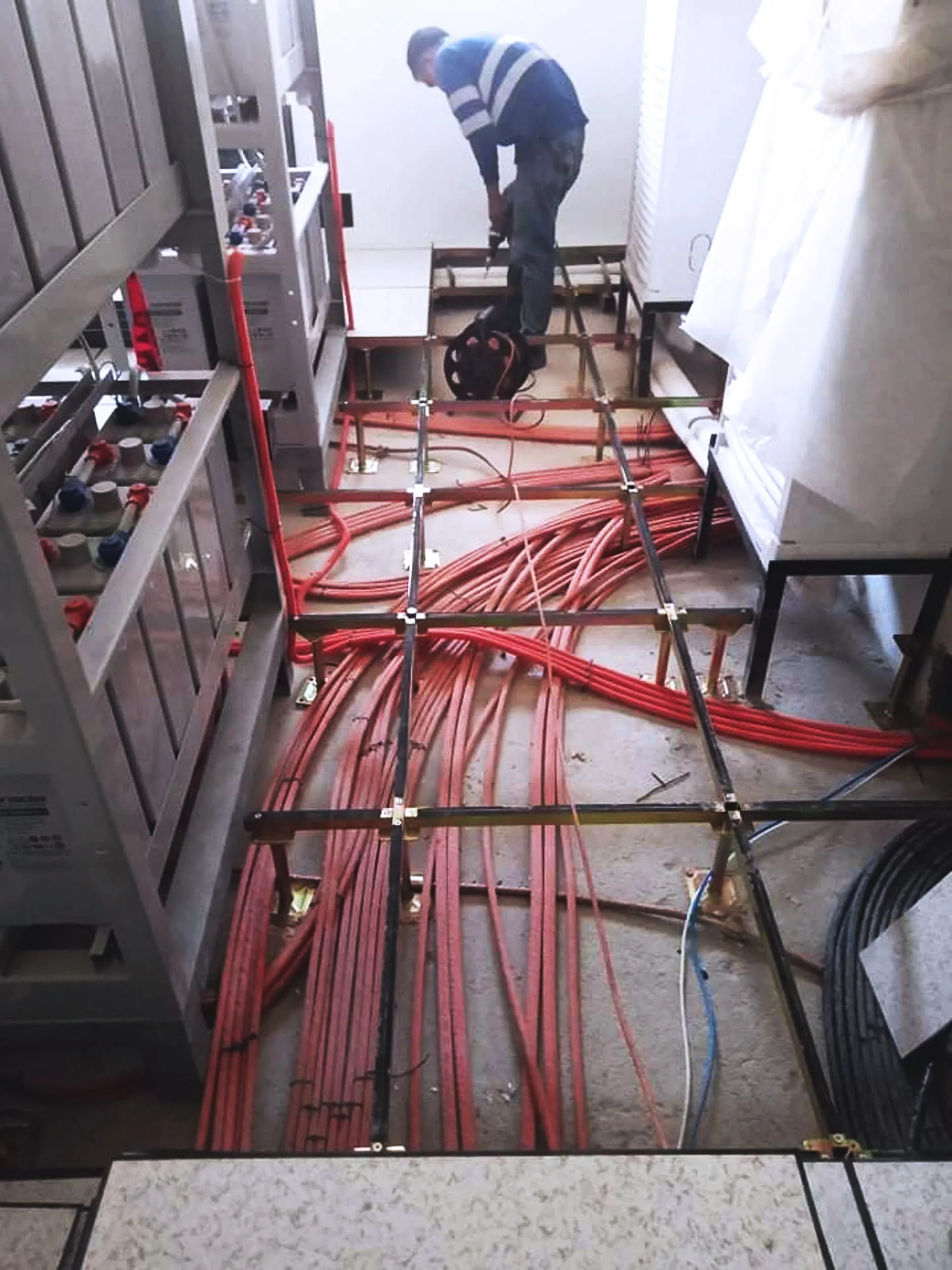
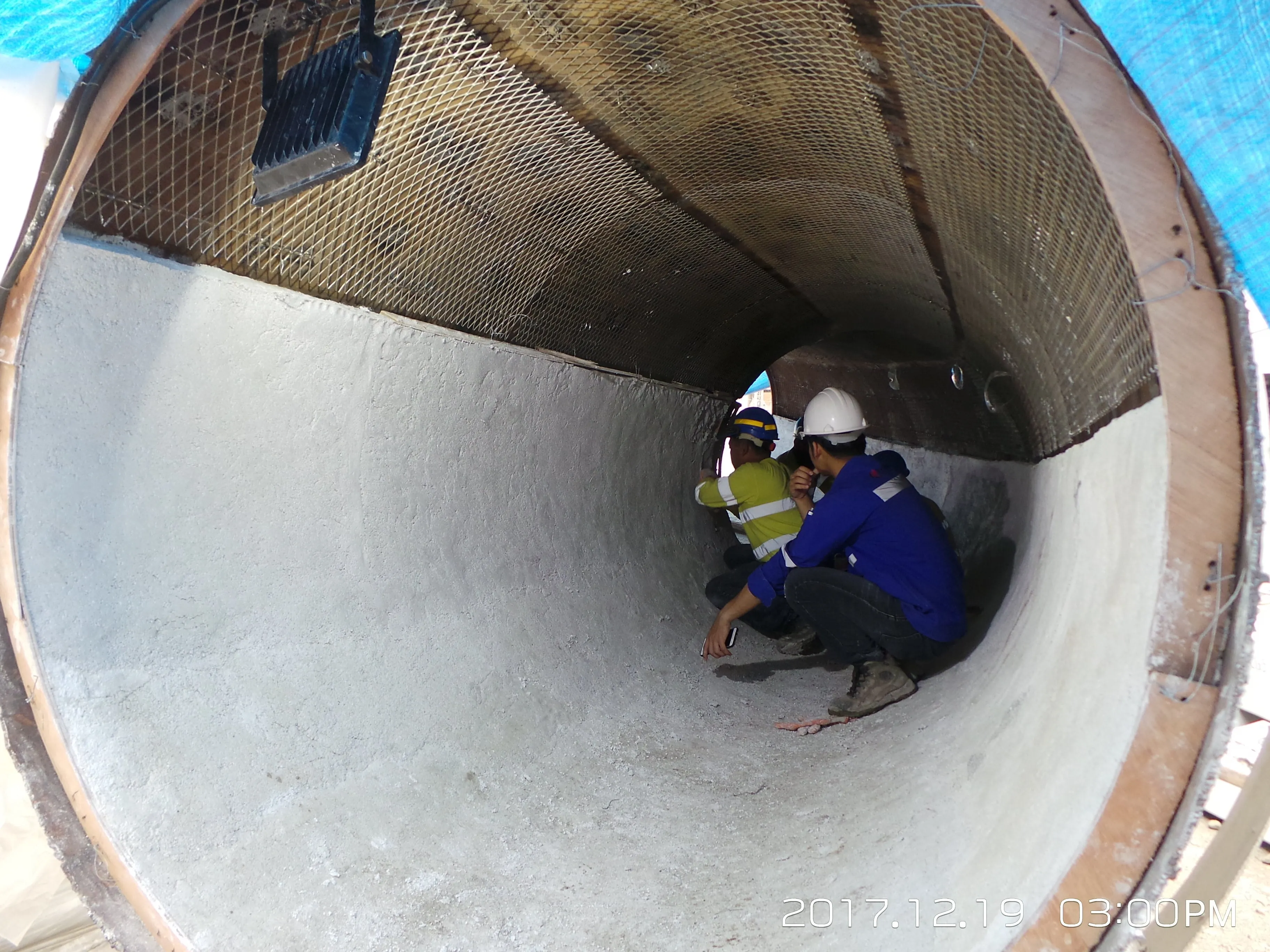
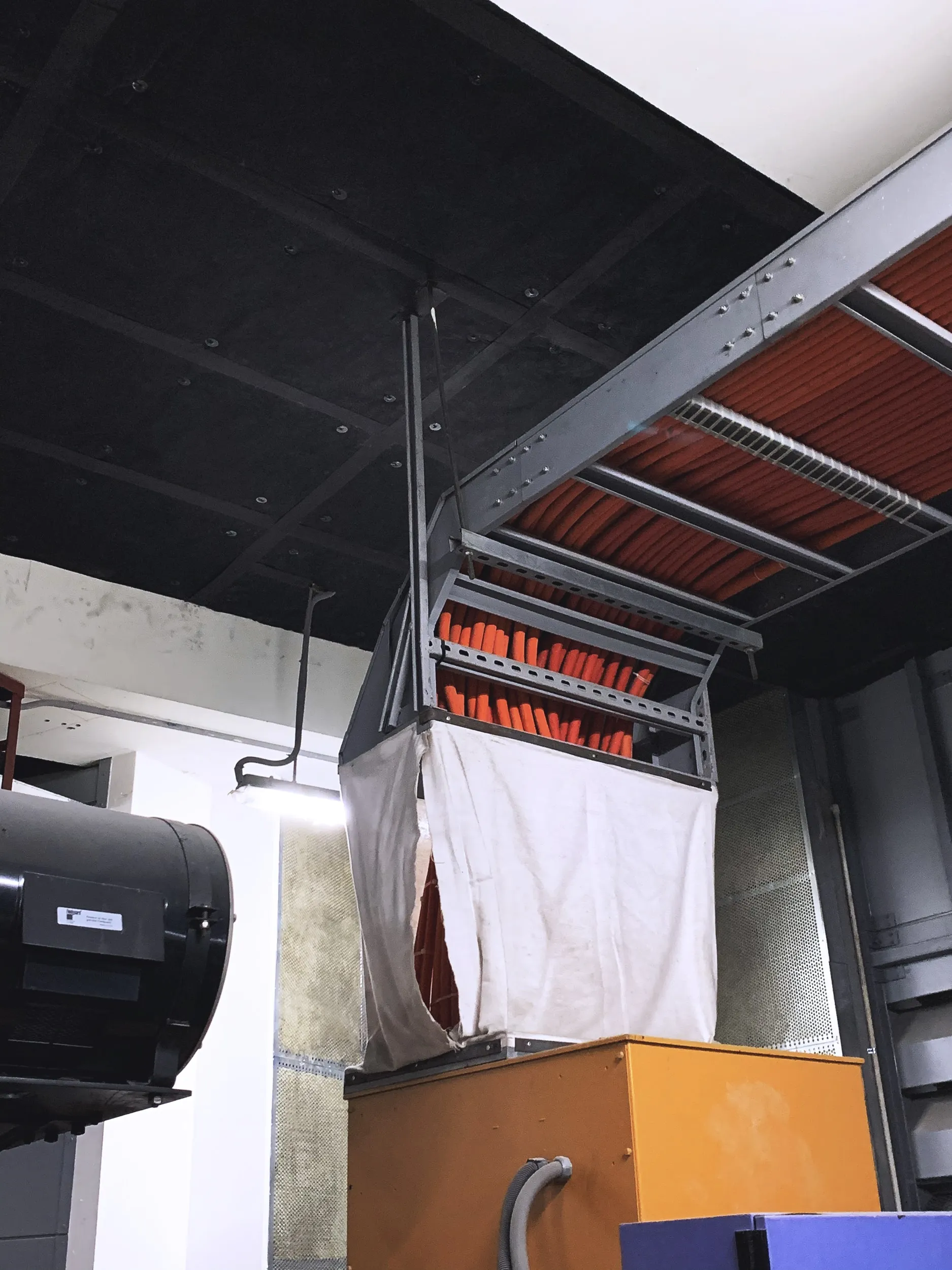
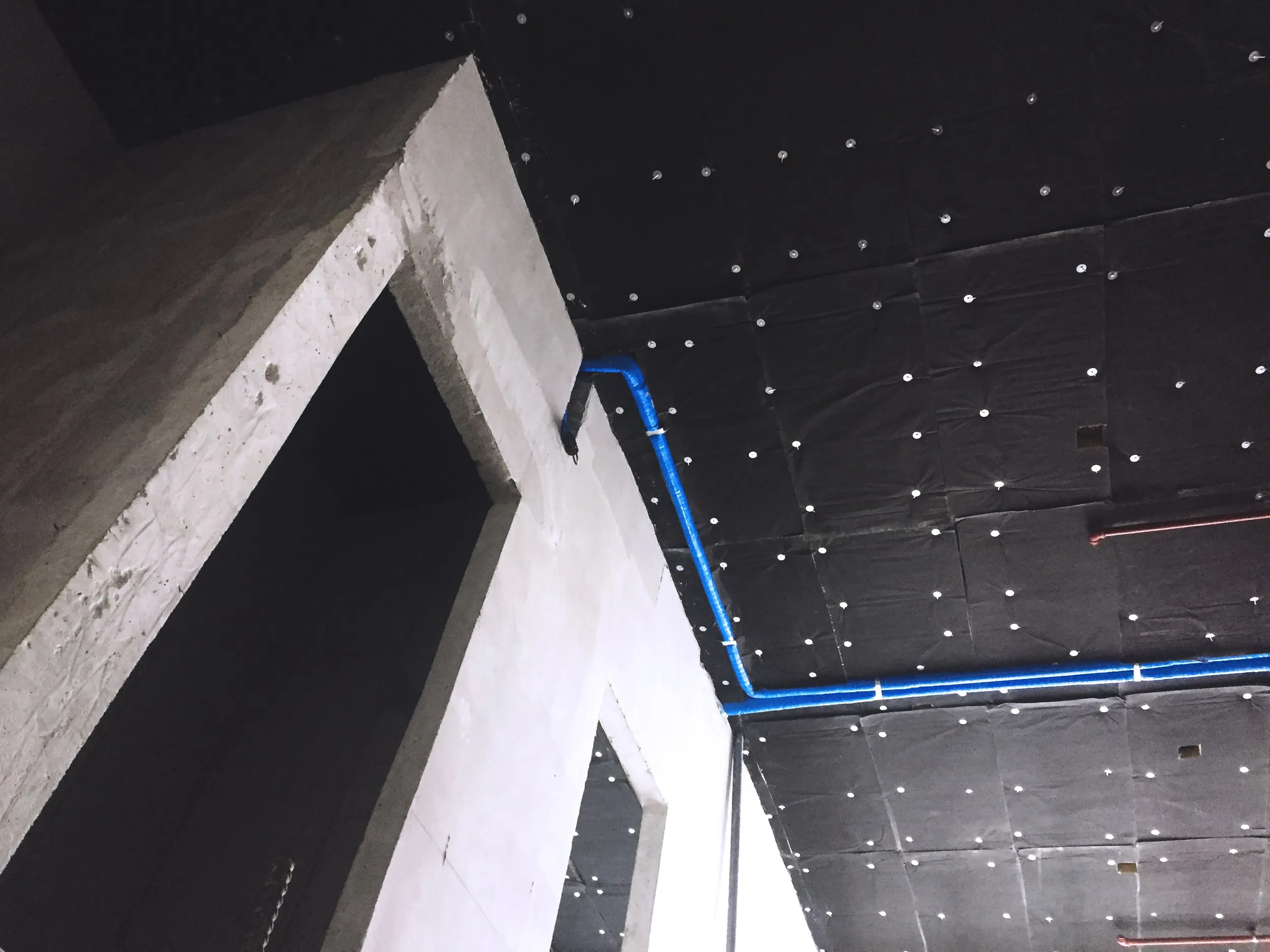
Chapter 15 of the Architectural Code of the Philippines provides a formal reference for passive fire protection, bringing together standards, technical benchmarks, and industry-recognized practices within a single chapter.
The chapter was developed with the Philippine construction environment in mind, drawing on practical experience and established industry practices.
.png)
More than a compliance requirement
For KITCI and its partners, this is an encouraging step forward. As passive fire protection becomes supported by clearer guidance, project teams will be better equipped to distinguish between meeting requirements and achieving proven performance.
It also signals a shift in how passive fire protection is viewed. Rather than being treated solely as a compliance requirement, it can be approached as a discipline supported by defined benchmarks and recognized good practices.
Making passive fire protection more visible
For future projects, the conversation around passive fire protection may begin earlier and carry greater weight throughout the design and construction process. Instead of being considered only at the final stages of compliance, it can become a more visible part of how buildings are planned, designed, and delivered.
The responsibility that follows
The adoption of these guidelines marks an important milestone. For KITCI, it also reinforces a long-standing commitment to advancing passive fire protection in the Philippines.
The publication of a standard is not the end of the work. In many ways, it is where the real work begins: bringing those principles from the page into the projects, systems, and buildings they were written to protect.
Because in the end, passive fire protection is not measured by what is written on paper, but by how it performs when it is put to the test.
Check Our Other Blogs

Cost-effective Cooling with Mineral Wool
A Deepdive on Mineral Wool Insulation

Preparing for a Hotter Climate: The Role of Thermal Insulation in Building Resilience
Creating safer spaces,
the KITCI way.